Failed US-Iran Talks Escalate War Fears as Trump Expresses Unhappiness
The delicate balance of power in the Middle East hangs by a thread following the latest round of high-stakes negotiations between the United States and Iran. Despite intense diplomatic efforts in Geneva, officials failed to reach a breakthrough on Iran's nuclear capabilities, leaving an already tense situation ripe for further escalation. The immediate us iran talks impact is a palpable increase in war fears across the region, a concern amplified by President Donald Trump's vocal dissatisfaction with the lack of progress.
The stakes couldn't be higher. With both sides posturing militarily and exchanging stern warnings, the failure of these talks has underscored the deep chasm that separates Washington and Tehran. While a commitment to further engagement remains, the immediate aftermath has cast a shadow of uncertainty, prompting global observers to brace for potential repercussions.
Diplomacy at a Crossroads: The Stalled Geneva Negotiations
The recent diplomatic encounter in Geneva, described by some as one of the "most intense" rounds of U.S.-Iran negotiations to date, concluded without a decisive agreement. At the core of the impasse lies the contentious issue of Iran's nuclear program. While Iranian officials noted "further progress" in diplomatic engagement and a "mutual understanding" to continue discussions in a more "detailed manner," the concrete breakthroughs needed to de-escalate tensions proved elusive.
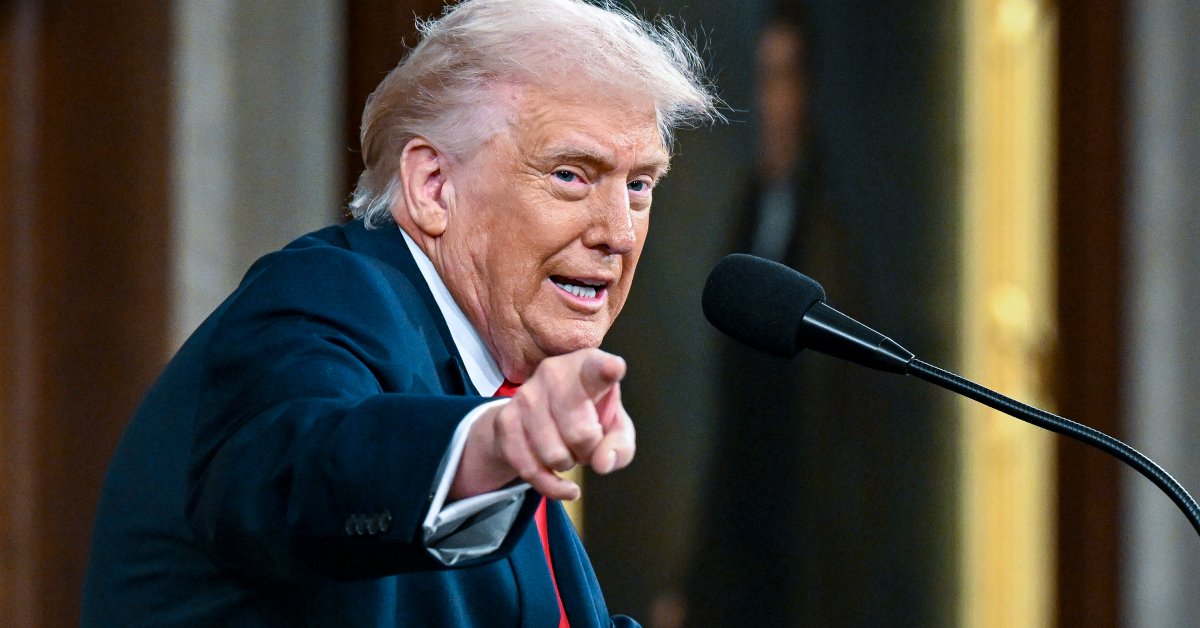
President Donald Trump, speaking shortly after the talks, did not mince words about his displeasure. "I’m not happy with the fact that they are not willing to give us what we have to have," he told reporters, reiterating his impatience and the U.S.'s firm stance that Iran "cannot have nuclear weapons." Despite his clear dissatisfaction, Trump acknowledged that "additional talks" would take place, indicating a continued, albeit reluctant, commitment to diplomacy. This delicate dance of negotiation and dissatisfaction highlights the immense pressure on both parties, particularly given the historical mistrust and divergent strategic interests at play. For a deeper dive into the specifics of these nuclear challenges, read our related article: US-Iran Nuclear Standoff: No Deal, High Stakes, Future Unclear.
Escalating Tensions and Military Posturing: The Threat of Conflict
The failure of the Geneva talks has sent a chilling ripple through the Middle East, intensifying fears of a potential military confrontation. The U.S. has notably increased its military presence in the region in recent weeks, a move perceived by many as a clear signal of its readiness to act if diplomatic avenues fail. This buildup is a stark reminder of the volatile nature of the standoff, and the profound us iran talks impact on regional stability.
Iranian officials have responded with their own warnings and preparations. Ahead of the Geneva talks, Iranian official Araghchi cautioned, "Since the Americans’ bases are scattered in different places of the region, then unfortunately, perhaps, the whole region would be engaged." He unequivocally stated Iran's preparedness for "both options—war and peace," underscoring the gravity with which Tehran views the situation.
President Trump has likewise been unambiguous in his threats of military action if U.S. requirements are not met. Referencing last year’s U.S. strikes on key Iranian nuclear sites as a warning, he has consistently linked Iran's nuclear ambitions to potential U.S. intervention. In a recent State of the Union address, Trump accused Iran of restarting "sinister ambitions" related to nuclear weaponry and claimed Tehran was working to "build missiles that will soon reach the United States of America." These accusations were swiftly rejected by Iran, which labeled them "big lies." The continuous exchange of threats and military posturing creates a dangerous feedback loop, where each action by one side is met with a provocative response from the other, pushing the region closer to the brink. Further analysis on this dangerous brinkmanship can be found here: US-Iran Talks Fail: Middle East Braces for Conflict Amid Military Threat.
The Human Cost: Protests, Repression, and Global Concern
Beyond the geopolitical chess match, the internal situation in Iran adds another layer of complexity and humanitarian concern to the current crisis. President Trump, in his address, made severe allegations regarding Iran's crackdown on recent anti-regime protests, claiming Iran had "killed at least 32,000 protesters in their own country—they shot a lot of them and hung them." While Iranian officials issued a strong rebuke of these quoted figures, local health officials had previously indicated to TIME that the protest death toll could indeed top 30,000, though independent verification remains challenging.
The international community, particularly human rights organizations, has expressed grave alarm. UN High Commissioner for Human Rights Volker Türk issued a powerful statement, saying he was "horrified by reports that at least eight people, including two children, have been sentenced to death in connection with the protests. Another 30 are reportedly at risk of the same sentence." Türk vehemently urged for "independent, impartial, and transparent investigations, fair trial guarantees, and an immediate moratorium on the death penalty." He also voiced deep concern about the potential for "regional military escalation and its impact on civilians," pleading for "the voice of reason prevails."
This intersection of internal repression and external geopolitical tension is critical to understanding the full us iran talks impact. A regime facing significant internal dissent might be more prone to external aggression or less flexible in negotiations, using foreign policy as a tool to consolidate power or distract from domestic issues. The human rights situation, therefore, is not merely a side note but an integral part of the broader regional instability.
Understanding the US-Iran Talks Impact: Analysis and What to Watch For
The failure of the latest talks underscores that the US-Iran dynamic is far more intricate than a simple dispute over nuclear capabilities. It's a deeply entrenched struggle involving:
- Regional Hegemony: Both nations vie for influence across the Middle East, leading to proxy conflicts and political maneuvering.
- Economic Pressure: U.S. sanctions continue to cripple Iran's economy, a key leverage point for Washington, but also a source of resentment in Tehran.
- Historical Grievances: Decades of mistrust, regime change attempts, and perceived slights fuel a deep-seated animosity.
- Domestic Politics: Leaders in both countries face internal pressures that influence their negotiating positions and rhetoric.
The immediate us iran talks impact is a heightened state of alert, pushing the region closer to a precipice. The term "devastating war," used by TIME, is a stark reminder of the potential consequences, which could include:
- Massive human casualties and displacement.
- Disruption of global oil markets and economic instability.
- Further destabilization of already fragile states in the region.
- A potential shift in global power dynamics.
What to Watch For Next:
As the situation unfolds, several critical indicators will reveal the likely trajectory:
- Nature of "Additional Talks": Will these be low-level technical discussions, or will they involve senior officials capable of making concessions? The tone and participants will be telling.
- Military Deployments and Incidents: Any further military buildups, exercises, or clashes (direct or via proxies) could signal an irreversible shift towards conflict.
- International Mediation: Look for intensified efforts from European powers, the UN, or other global actors to de-escalate tensions and facilitate dialogue.
- Internal Iranian Developments: Continued protests or a harsher government crackdown could either strengthen or weaken the regime's negotiating hand, impacting its external posture.
Navigating this complex landscape requires a nuanced understanding of the historical context, current political realities, and the potential for both diplomacy and conflict. The world watches with bated breath.
Conclusion
The conclusion of the latest US-Iran talks without a definitive deal leaves a profound and concerning us iran talks impact on the international stage. President Trump's explicit unhappiness and the escalating rhetoric from both sides have exacerbated fears of a "devastating war" in the Middle East. While an agreement for "additional talks" offers a slender thread of hope for continued diplomacy, the immense gulf between Washington and Tehran on critical issues, particularly Iran's nuclear program and regional activities, remains wide. Coupled with grave human rights concerns within Iran, the situation is a powder keg. The coming weeks and months will be crucial, as the world holds its breath, hoping that reason prevails over the dangerous currents of mistrust and confrontation.